

4mm tempered glass price
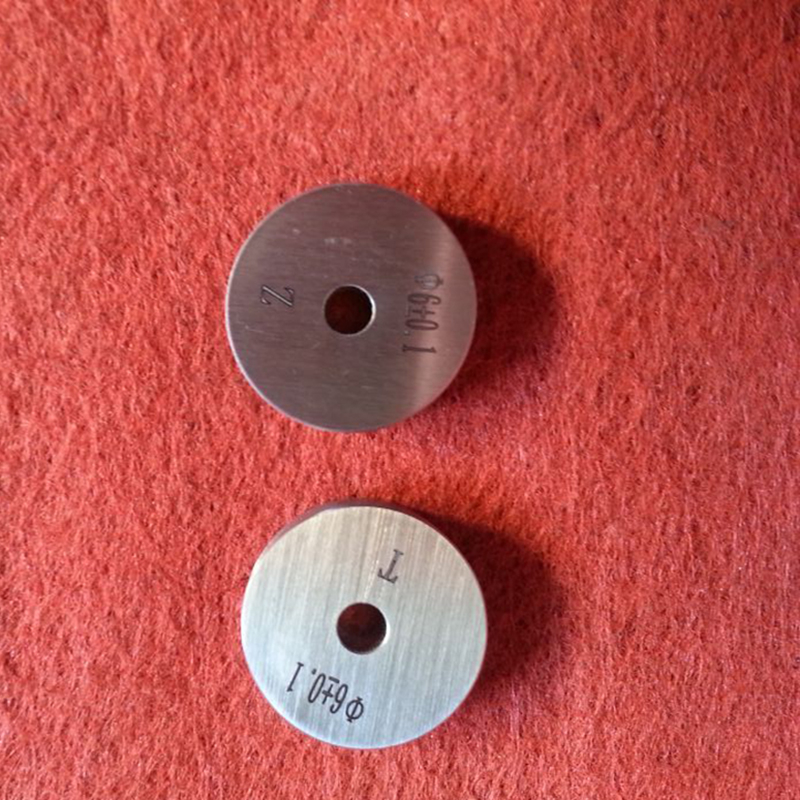
Understanding Thread Ring Gauge Standards Thread ring gauges are essential tools used in manufacturing and quality control to ensure the precision of threaded components. These gauges measure the external threads of a screw or bolt, confirming their compliance with specified dimensions and tolerances. As industries rely on high precision for functionality and safety, thread ring gauge standards play a crucial role in ensuring uniformity and reliability in threaded products. What is a Thread Ring Gauge? A thread ring gauge is a cylindrical gauge designed to inspect external threads on fasteners like screws and bolts. It has two main types the Go gauge and the No-Go gauge. The Go gauge checks if a thread fits properly, signifying that it is within the specified limits. Conversely, the No-Go gauge ensures that the thread does not exceed maximum limits, indicating that the part is defective if it passes through. This dual function ensures both acceptance and rejection criteria are met, promoting quality in production. Importance of Standards in Thread Ring Gauges Standards for thread ring gauges are crucial because they provide uniformity in measurements across different manufacturers and industries. The most recognized standards include those set by the International Organization for Standardization (ISO), the American National Standards Institute (ANSI), and the American Society of Mechanical Engineers (ASME). These organizations outline the specifications for thread dimensions, tolerances, and testing methods. Using standardized gauges ensures consistency, accuracy, and compatibility of threaded products. When industries adopt these standards, they benefit from reduced errors and improved communication between suppliers and manufacturers, facilitating smoother production processes and minimizing costly rework. Types of Thread Standards thread ring gauge standard Thread standards can vary based on the region and application. For instance, metric threads are widely used in Europe and many other parts of the world, adhering to ISO standards. These threads are defined by their diameter and pitch (distance between threads). On the other hand, Unified National threads (UNC and UNF) are more common in the United States. Each of these threads has specific ring gauge standards that accompany them, dictating their tolerances and fitting characteristics. The thread form itself is another consideration. The most common types include the triangular profile of ISO and ANSI threads, along with trapezoidal and square threads used for specific applications. Each of these forms has inherent characteristics affecting how they engage with corresponding components, emphasizing the need for precise gauging. Calibration and Maintenance of Thread Ring Gauges To maintain accuracy, thread ring gauges must be regularly calibrated and properly maintained. Calibration involves comparing the gauge measurements against a standard reference. It is crucial to ensure that the gauges remain within prescribed tolerances to ensure continued quality assurance. Proper storage is equally important. Thread gauges should be kept clean and free from moisture to avoid corrosion and wear. Additionally, they should be handled carefully to prevent accidental damage. Conclusion In conclusion, thread ring gauge standards are vital for quality assurance in industries that rely on cylindrical fasteners. The structured approach provided by these standards fosters accuracy and consistency across manufacturing processes. As technology and manufacturing processes evolve, so too will the standards for thread ring gauges, requiring industries to stay informed and ensure compliance to maintain quality. The integration of these standards not only promotes precision but also enhances safety, reliability, and customer satisfaction in an increasingly competitive market.
about
4mm tempered glass price
Understanding Internal Thread Gauges Importance and Application Internal thread gauges are essential tools used in various industries to ensure that threaded components meet specific standards and specifications. These gauges are crucial for the quality control of parts that have internal threads, such as pipes, bolts, nuts, and other fasteners used in mechanical systems. This article aims to explore the significance, types, and applications of internal thread gauges. What is an Internal Thread Gauge? An internal thread gauge is a precision instrument designed to measure and inspect the dimensions and functional characteristics of internal threads within holes. These gauges are typically used to ensure that the internal threads are cut to the correct size and pitch, conforming to specific standards such as those established by the American National Standards Institute (ANSI) or the International Organization for Standardization (ISO). Types of Internal Thread Gauges There are several types of internal thread gauges, each designed for specific applications and measurements 1. Go/No-Go Gauges This type of gauge consists of two components a Go gauge that should fit into the internal thread, and a No-Go gauge that should not fit. The proper functioning of these gauges ensures that the threads are within tolerance. If the Go gauge does not fit, or if the No-Go gauge fits, the threaded hole is considered out of specification. 2. Thread Plug Gauges These gauges are similar to go/no-go gauges, but they are utilized to check the thread depth and pitch diameter with more precision. This is particularly important in applications with high-stress components where even minor discrepancies can lead to catastrophic failures. internal thread gauge 3. Thread Pitch Gauges These gauges allow for the measurement of the pitch of the internal threads. By aligning the gauge with the threads, users can identify the thread pitch, which is crucial for ensuring compatibility with mating components. Importance in Manufacturing The use of internal thread gauges is vital for maintaining quality control in manufacturing processes. Ensuring proper thread dimensions is crucial for - Safety and Reliability Incorrectly sized threads can lead to failures in mechanical systems, which may pose safety risks. - Interchangeability Standardized threads ensure that components can fit together seamlessly, reducing the likelihood of production errors. - Cost-Efficiency By catching thread defects early in the manufacturing process, companies can save on costs associated with reworking or replacing defective parts. Applications Internal thread gauges are widely used across various industries, including automotive, aerospace, oil and gas, and manufacturing. For instance, in the automotive industry, precision-engineered components require accurate threading to ensure functionality and safety. In the aerospace sector, where weight and reliability are critical, the use of precise internal thread gauges helps maintain the integrity of components under stress. Conclusion In summary, internal thread gauges are indispensable tools in quality control, ensuring that internal threads meet required specifications. Their use across multiple industries underscores their importance in enhancing safety, reliability, and efficiency in manufacturing processes. By understanding and utilizing these gauges effectively, manufacturers can significantly improve product quality and performance.
-

High quality industrial productsagement

High quality industrial products
View Details -

Meet the diverse needs of customers

Meet the diverse needs of customers
View Details -

Strict quality control

Strict quality control
View Details -

Top raw materials

Top raw materials
View Details -

Trusted supplier

Trusted supplier
View Details
Our application



news and information
Various Types of Ball Valves Used in Plumbing Systems and Their Applications
Types of Ball Valves in Plumbing Ball valves are fundamental components in plumbing systems, widely

Y Type Strainer Compatibility with Corrosive Fluids
In industrial fluid systems where corrosive media like acids, alkalis, or saline solutions flow, mai
Wood Connectors and Brackets for Building Strong and Durable Wooden Structures and Projects
Brackets for Connecting Wood An Essential Tool for Any Woodworking Project When it comes to woodwork
 English